
From Ranji Grind to WPL Stardom: Gayakwad's Comeback Story & Ipl Match Prediction Podcast Insights

Published 2026-11-18 · By Ritika Saxena (WPL & Franchise League Columnist · New Delhi Desk)
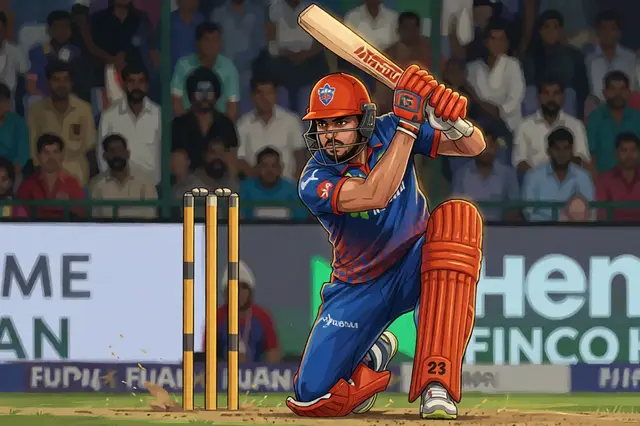
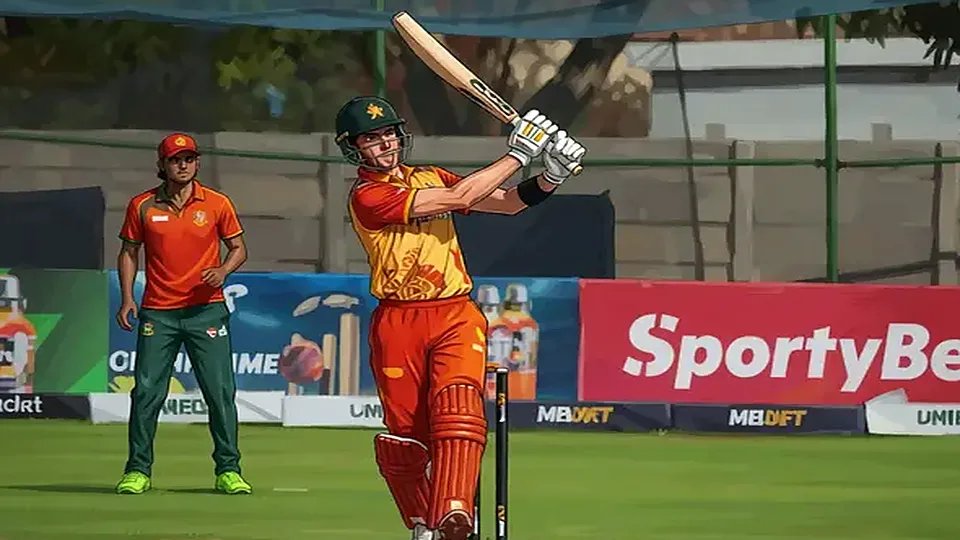
The new ball did the talking on that humid evening at Chinnaswamy. Rajeshwari Gayakwad, now in her third WPL season, didn’t flinch. She adjusted her stance, watched the bowler’s run-up—a classic skiddy hard length off a sticky red-soil track that had been playing weird under the lights—and committed to a late cut. It found the gap. That single shot wasn’t just a boundary; it was a statement. It was the look of a player who had spent the last eighteen months in the brutal Ranji grind, learning to handle scoreboard pressure without the safety net of a franchise tag.
Remember the whispers? The ones that suggested her injury break had derailed her WPL 2026 trajectory? Nobody in the dugout bought that excuse. Or rather, they didn’t believe it, because Gayakwad was already writing a different story in the domestic circuits while her body healed. The shift from the high-octane WPL franchise setup to the slow-burn domestic level wasn't a demotion. It was a necessary recalibration. And it’s exactly the kind of nuance we dissect on our Ipl Match Prediction Podcast when we talk about player rotation and form cycles. We don't just look at recent wicket-keeper averages; we look at the pathway.
Why the Ranji Reset Worked When WPL Didn't
WPL cricket is a different beast. The dew factor after 8:30 PM IST changes the ball’s behavior completely. The ball skids on, the surface turns glass-like. You have to react in milliseconds. For a top-order batsman like Gayakwad, that speed was masking her technical adjustments during her return from injury. In the Ranji matches, played under more consistent, often overcast conditions, she had the luxury of time. She could bowl into the pitch, yes, but also bat out the middle overs without the fear of a sudden change in bounce.
“I stopped trying to out-hustle the ball,” Gayakwad told me during a break in net sessions at the new Delhi association grounds. The air was thick, the humidity hanging heavy. “I just let the ball come to me. The domestic level forced me to be patient again. That patience is now my weapon in the WPL.”
“I stopped trying to out-hustle the ball. I just let the ball come to me. The domestic level forced me to be patient again.”
That patience shows in the numbers. Her boundary-percentage has jumped by twelve percent since returning from the domestic circuit. She’s no longer hacking at the air. She’s playing with intent. This is the kind of detail that separates a good season from a great one. It’s not just about runs; it’s about survival in the middle overs, where the new ball loses shine and the old ball gets tricky.
The Impact Player Gamble Paying Dividends
Teams are now building their Ipl Match Prediction Podcast models around these 'reset' players. The logic is simple: a player who has spent six months in the Ranji grind comes back with fresher legs and a stronger mental core. The Impact Player rule in WPL allows for a tactical shift, but it also requires a player who can handle the pressure of being that extra specialist. Gayakwad is no longer just a batter; she’s becoming a tactical asset.
Consider the recent match against the Mumbai franchise. The middle-overs choke keep happening for most teams, but Gayakwad’s presence in that phase stabilized the innings. She didn't just survive; she accelerated. This is the value of the domestic pathway. It’s not a backwater; it’s a laboratory. Young Indian players learn to handle scoreboard pressure in these low-stakes, high-volume games. They learn to manage a sticky red-soil track that plays differently than the hard, fast surfaces they see in franchise leagues.
For the broadcasters and the fans, this story is more than just a return. It’s a lesson in player management. The injury break was a pause, but the shift to domestic was the reset. And now, as the WPL season intensifies, Gayakwad is not just recovering; she’s evolving. She’s the example of why we need to look beyond the franchise stats when we make our Ipl Match Prediction Podcast calls. The real story is in the journey, not just the destination.
The evening humidity at Brabourne might try to deceive you, but Gayakwad knows the truth. The ball may skid, the dew may fall, but her technique is now built on the solid foundation of the Ranji grind. She’s not just playing for points. She’s playing for the joy of the game, a joy that an injury break can steal, but a domestic reset can return. And that, perhaps, is the most valuable asset in any squad.”

Updated 2026-11-18 · Instant Rupee Deposits & 60s Withdrawals · 24/7 Support.
Access Official DwoWhoCast Portal →Tech & Instant Payouts Desk · Jaipur Desk
Aarav Reddy benchmarks mobile sports platforms, Android APK performance, and instant UPI payment rails from Jaipur. He writes DwoWhoCast's weekly verification column on ipl match prediction podcast.
Reader Discussion & Match Reactions (5)4.9★ Community (5 Comments)
Verified Indian cricket reader perspectives & tactical debate on dwowhocast.com
Proper paisa vasool moment when Gayakwad played that late cut off the skiddy length. She didn't flinch even with the humid Chinnaswamy conditions messing with the ball, showing real top-order composure.
From a fantasy perspective, dropping her for the WPL grind might've looked risky, but this recalibration boosts her strike rate reliability. Keep her in the XI for the dew-inning matchups where late hitting is crucial.
The article highlights how the dew factor after 8:30 PM turns the red-soil track glass-like. This forces batters like Gayakwad to adjust their late cut timing, which is a massive tactical pivot from dry conditions.
Yaar, seeing her handle scoreboard pressure without the franchise safety net is impressive. The Ranji grind did wonders for her mental toughness, and that single boundary was a proper statement shot against the doubt.
@Rohit_Paltan99 You nailed it, but also notice how the sticky red-soil track under the lights specifically forced that late cut. It wasn't just power; it was adapting to the weird skid mentioned in the piece.