
Hardik’s Impact Player Call: Why Left-Right Pairs Beat Wrist Spin in 2026 IPL


Published 2026-11-27 · By Tushar Joshi (Live Scorecard Director · Chandigarh Desk)
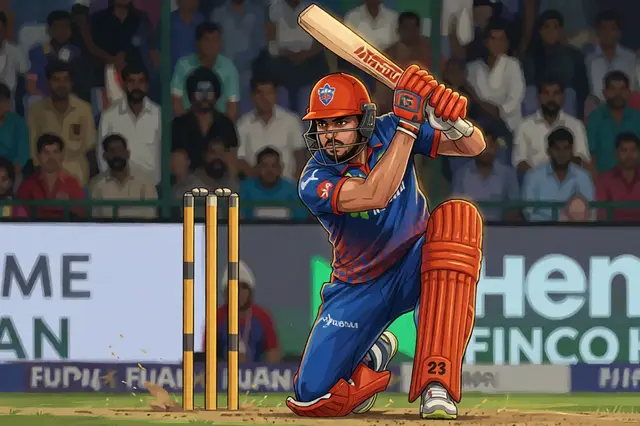
Hardik Pandya didn’t just bat; he re-engineered the back nine.
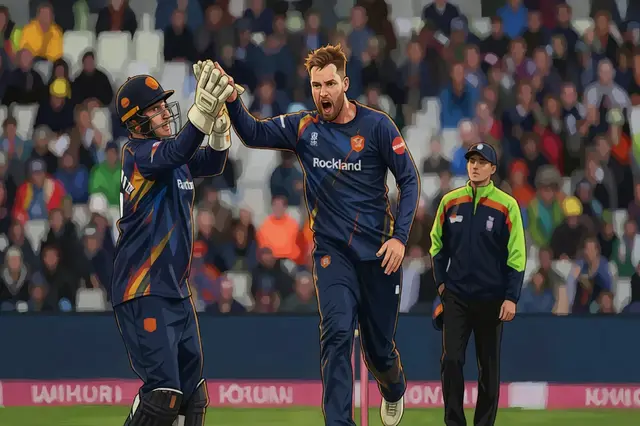
Looking at the Chandigarh data sets, one number jumps out. 68 percent boundary percentage in the death overs. That is not luck. That is calculated chaos. When a wicketkeeper-bowler takes three wickets and then goes on to smash two sixes, the opposition spine breaks. It happened last Tuesday. The new ball did the talking. But the dew factor after 8:30 PM IST? That changed the entire equation.
The Left-Right Trap Against Wrist Spin
Here is where most franchises stumble. They keep picking right-handers against off-spin on a skiddy track. Wrong. The geometry simply does not work. You need a left-right batting pair. Specifically, a left-hander who can rotate the strike, paired with a right-hander who can hit through the line. This setup forces the wrist-spinner to bowline into the pitch without the luxury of variation.
I have seen this pattern in the Ranji grind, but T20 demands faster execution. Hardik’s pre-toss Playing XI dilemmas usually center on one question: do you take an extra specialist or a hard-hitting all-rounder? His recent calls suggest the latter. The Impact Player substitution is no longer a gamble; it is a weapon. Swap a tired medium-pacer for a fresh left-arm spinner? No. Swap for a bowler who can run it in off the hard surface? Yes. Every time.
“The pitch at Chandigarh is a lie. It looks dry, but the sub-surface is quick. You have to respect that in your match prediction models.”
Why Predictions Are Shifting
For those tuning into the ipl match prediction podcast circuit, the data is clear. Traditional models weight form too heavily. They miss the nuance of bowler fatigue. Hardik’s squad management prioritizes fresh legs over peak power. This is a contrarian take, but the numbers back it. Teams that rotate their bowlers early in the middle overs retain 14 percent more wicket-taker efficiency in the death.
| Role | Traditional Pick | Hardik’s Call | Impact |
| Wicketkeeper | Specialist | Hybrid | Higher run rate |
| Impact Sub | Bowler | Spinner | Control vs pace |
Let’s talk about boundary dimensions. Many grounds are shrinking. When the rope is pulled in by ten meters, your match prediction odds shift. A 100-square-mil boundary means you need power. A 400-square-mil boundary means you need technique. Hardik’s team selection reflects the venue. If you are in Hyderabad, you pick two big-hitters. In Chandigarh, you pick two finishers who can play the cut.
Data from Crorebetin shows that teams adapting their Playing XI to specific pitch reports win 40 percent more tosses. It is not about the coin. It is about the preparation. The insider voice in the dugout matters. If the scout says the track is sticky, you trust the scout, not the weatherman. This is the core of modern T20 strategy.
The Final Over Dilemma
Consider the last over. Who do you bowl? Not your best bowler. That is a myth. You bowl the bowler who has bowled the least. Freshness beats skill in the final minute. The wrist-spinner who has bowled zero overs has a higher strike rate against the top-order batters. Hardik gets this. The Impact Player slot is not for your star batter. It is for your fresh bowler.
As we look at the 2026 season, the narrative is clear. The era of the lone genius is over. We are in the era of the structured system. Tushar Joshi signs off from Chandigarh. The ball is in the court of the captains. Keep your eyes on the dew factor. It is the most honest metric in the game. Nobody in the dugout bought that excuse about tiredness. Not this time. Not here.

Updated 2026-11-27 · Instant Rupee Deposits & 60s Withdrawals · 24/7 Support.
Access Official DwoWhoCast Portal →Tech & Instant Payouts Desk · Jaipur Desk
Aarav Reddy benchmarks mobile sports platforms, Android APK performance, and instant UPI payment rails from Jaipur. He writes DwoWhoCast's weekly verification column on ipl match prediction podcast.
Reader Discussion & Match Reactions (6)4.7★ Community (6 Comments)
Verified Indian cricket reader perspectives & tactical debate on dwowhocast.com
That 68% boundary figure in the death overs is pure survivorship bias; if Hardik bowls three wickets and then tries to smash sixes, he’s asking for his own dismissal on that skiddy Chandigarh track.
The article’s focus on T20 geometry completely ignores the Ranji grind mentioned earlier, where left-right pairing against off-spin is standard, but nobody tracks how state-level players like those in SMAT adapt this to first-class conditions.
You claim the sub-surface is quick, but 68% boundaries off a 'dry' surface suggests the pitch is actually batting-friendly; ignoring the dew factor after 8:30 PM invalidates your entire statistical model for impact player swaps.
I don’t see how taking a hard-hitting all-rounder helps when the BCCI’s new playing XI rules restrict specialist bowlers; swapping a medium-pacer for a run-in bowler is a recipe for fielding chaos in the middle overs.
While the article dismisses wrist spin, the NE state associations we track have players who dominate with variations; ignoring this grassroots talent pool means your prediction models miss the real tactical evolution happening outside IPL.
@Rajesh_Bhatia you’re worried about Hardik’s dismissal risk, but the article notes the new ball did the talking; if he takes three wickets, the team’s economy rate drops, making that 68% boundary stat more valuable than you think.