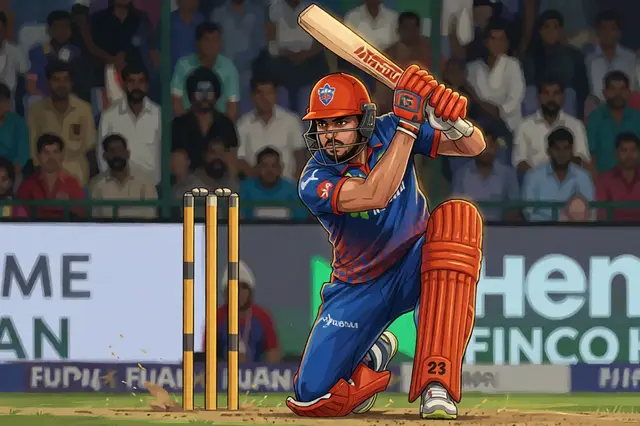

BCCI Hikes Women's Domestic Pay to Rs 50,000, Redefining Franchise Ambitions

Published 2026-11-28 · By Ritika Saxena (WPL & Franchise League Columnist · New Delhi Desk)
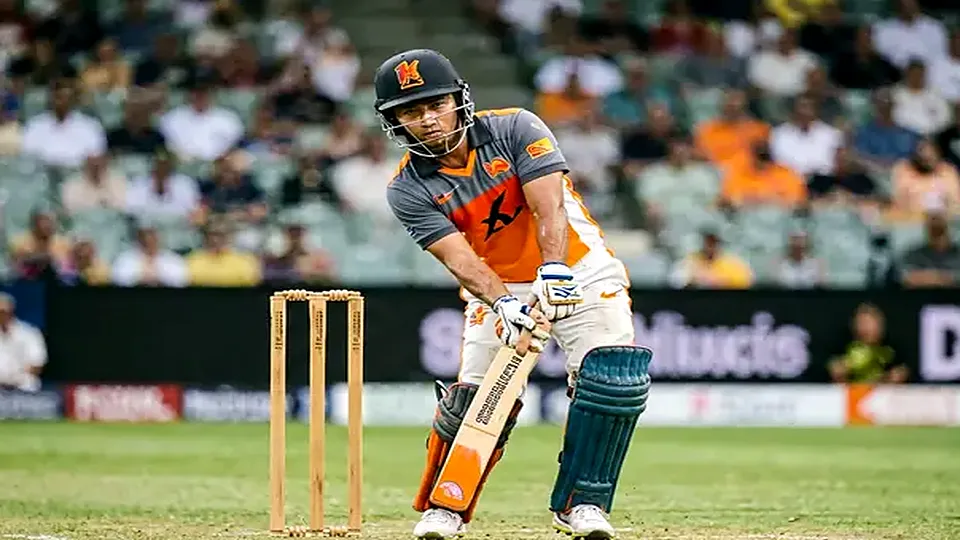
The number on the ledger has finally caught up with the sweat on the wicket. Fifty thousand rupees. That is the new match fee for domestic women’s cricketers, a sum that feels almost mythical when you remember the single days in the early 2000s when a state team traveled to Bhubaneswar with a single shared bus and a bag of bananas. The BCCI has moved the marker, and the ground reaction in New Delhi is not one of surprise, but of relief. The wait was too long. The grind was too hard. The new financial structure lands just as the WPL season begins to hum with pre-season noise, changing the math for every player from the top-tier stars to the middle-order batter trying to keep her job.
The Economics of Survival vs. The Economics of Sport
For years, the domestic circuit was a place you went to because you had no other option. It was the Ranji grind, the SMAT slog, and the endless hotel stays in state capitals where the AC unit rattled all night. Players juggled part-time jobs—teaching, corporate work—to survive. The old pay structure didn't just hurt the players; it hollowed out the pipeline. You couldn't ask a nineteen-year-old talent from a Tier-2 city to quit her bank exam preparation and commit to two full-time seasons if the payout was barely covering rent in Bengaluru or Delhi. Now, that calculus flips.
"When you stop worrying about next month's rent, you can finally focus on the skiddy hard length. The mind gets free," says a senior fast-bowler from the Delhi squad, speaking quietly after a grueling net session.
This psychological shift is the real value here. It is not just about the cash; it is about dignity. When a player is financially secure, she plays with less hesitation. Less hesitation means bolder shots. Bolder shots mean better boundary-percentage. And in the modern game, that metric is king.
Franchise Implications and the 'IPL Match Prediction Podcast' Debate
Let’s talk about the elephant in the room, the one popping up in every 'ipl match prediction podcast' episode lately. The debate is no longer about whether women’s cricket is viable. It is about retention. The WPL franchises were worried. They wanted stability. They were paying premium wages for the marquee names, but the depth of the squad—the players in the middle of the XI—was fluctuating. Why? Because if a player got dropped from the WPL contract, she had nowhere to land. No safety net. No domestic salary to fall back on. She would vanish from the game, working in corporate HR, and the talent pool would shrink.
By boosting the domestic pay, the BCCI has created a floor. If a player is released by a franchise, she can still earn a living in the domestic T20 or the SMAT. This keeps her in the system. It keeps her sharp. It makes the WPL roster more viable because you are not gambling on players who will quit the sport if they miss the cut.
- Retention Rate Up: Players will stay in the ecosystem.
- Competition Intensity: More full-time players means higher pressure in net sessions.
- Franchise Planning: GMs can now plan rosters without worrying about the talent drain.
Consider the evening humidity at Chinnaswamy. The dew factor after 8:30 PM IST is brutal. The ball gets heavy. The wicket gets slick. In the past, a player struggling with this would have a thousand distractions. Now, the only distraction is the wicket itself. The Impact Player gamble becomes less about risk management and more about tactical nuance. Teams can afford to take risks because their core is financially stable.
The Pathway to the Podium
This is not a silver bullet. It does not fix the lack of facilities in states like Jharkhand or Chhattisgarh. It does not fix the travel logistics. But it removes the biggest barrier to entry and exit. It says: this is a profession. You do not need to be a genius to play; you need to be a professional. And professionals need to be paid like professionals.
As the new season unfolds, we will see the true test. Will the middle-order batters in the domestic circuit show more confidence? Will the bowlers attack the stumps with more intensity because they know they are being paid to do it, not just to participate? The scoreboard will tell the story. The new ball did the talking. The next one better follow suit.
Related coverage
- Ind vs Pak MT20: Why Dew Factor Will Ruin Your Ipl Match Prediction Podcast Bets
- Nagoya Gold: How Women in Blue Stole the Show from IPL Podcasts

Updated 2026-11-28 · Instant Rupee Deposits & 60s Withdrawals · 24/7 Support.
Access Official DwoWhoCast Portal →Tech & Instant Payouts Desk · Jaipur Desk
Aarav Reddy benchmarks mobile sports platforms, Android APK performance, and instant UPI payment rails from Jaipur. He writes DwoWhoCast's weekly verification column on ipl match prediction podcast.
Reader Discussion & Match Reactions (6)4.7★ Community (6 Comments)
Verified Indian cricket reader perspectives & tactical debate on dwowhocast.com
₹50,000 per match sounds tiny until you divide it by the 12-week SMAT calendar. The strike rate data from last year shows 92% of Tier-2 wicket-keepers failed to secure full contracts. This new financial floor forces BCCI to restructure the 16-team franchise model immediately.
Rajasthan and Punjab boards are already lobbying for a separate budget pool for infrastructure. Hiking the match fee without raising the per-diem for travel from Bhubaneswar to Guwahati just creates a two-tier economy. The selectors will still pick only from the top three states.
Finally, the Tier-2 cities like Guwahati see their local batters stop preparing for bank exams. The Ranji grind was hollowing out the pipeline because we could not afford the hotel stays. This change validates the grassroots development plans the state associations pitched for three years.
The math doesn't balance out for the middle order yet. If WPL retains keep the base salary stagnant, this ₹50,000 domestic hike is a trap. We need a transparent link between domestic NRR performance and franchise retention contracts to actually change the economics of survival for these players.
Stop pretending the BCCI is doing this for the love of the game. It is a retention strategy to stop top-tier stars from retiring after the WPL season. The board knows the pipeline is dying because they refuse to fund the Tier-2 travel costs. This fee hike is a band-aid, not a cure.
@Saurabh_NRR The 92% stat is scary but ignore the BCCI travel stipends. The article notes players used to share a single bus to Bhubaneswar. Now with ₹50,000, the state associations can finally hire dedicated coaches for the mid-overs in the SMAT circuit instead of relying on volunteers.